Pirate Shield: A Designer’s Review for Real Projects
As an embroidery designer who has spent countless hours digitizing and testing files, I approach every new machine embroidery design with a mix of curiosity and skepticism. We all know that a pretty preview image does not always translate to a clean stitch-out on actual fabric. When I first loaded the Pirate Shield file into my software, I was looking for more than just a cute graphic. I wanted to know if this design could hold its own in a commercial setting, whether it would survive the wash cycle on a child’s sweatshirt, and if it offered enough visual interest to justify the thread cost for my small shop products.
First Impressions and Visual Personality
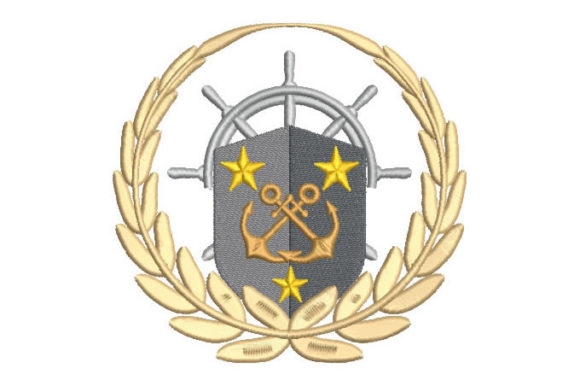
The immediate mood of Pirate Shield is playful yet bold. It captures the adventurous spirit of Pirates without leaning into overly aggressive or scary imagery, which makes it incredibly versatile. The layout feels balanced, with a central shield motif that anchors the design. For those of us who sell handmade products, visual clarity is everything. A design that looks like a blob from three feet away will not sell. This design maintains strong lines and distinct shapes, ensuring that the theme reads clearly even when scaled down for smaller items like baby clothes or patches.
The detail level is moderate, which is a smart choice for a general-purpose embroidery file. It avoids the trap of excessive micro-detailing that often causes thread breaks or nesting issues on home machines. Instead, it relies on solid shapes and clear outlines, suggesting a mix of satin stitch borders and fill stitch interiors. This combination usually results in a textured, premium look that customers associate with high-quality custom apparel.
Real-World Application: The Tote Bag Test
To truly evaluate Pirate Shield, I decided to use it in a real-life scenario. I had a batch of natural cotton canvas tote bags ready for a local craft fair. These bags are popular with parents looking for durable, fun accessories for their kids. I chose this project because canvas provides a stable base, allowing me to see how the design handles a slightly textured surface.
I hooped the bag with a medium-weight cut-away stabilizer to prevent puckering, a common issue with larger designs on flexible fabrics. As the machine began stitching, I watched closely for any pulling or distortion. The design stitched out smoothly. The transition between colors was clean, and the density felt appropriate—not so heavy that it stiffened the fabric excessively, but dense enough to provide full coverage. The result was a vibrant, eye-catching tote bag design that stood out among the simpler monogrammed items at my booth.
Versatility Across Product Lines
Beyond tote bags, I see significant potential for Pirate Shield in various embroidery projects. For sweatshirt embroidery, the design’s bold lines work well against the fuzzy texture of fleece or French terry. It adds a pop of personality to plain hoodies, making them ideal for birthday gifts or themed party favors. If you are an Etsy seller focusing on baby embroidery, this design can be scaled down for onesies or bibs. However, always check the minimum recommended size in your software to ensure small details do not become lost.
For those creating embroidered patch collections, this shield motif is perfect. Patches require designs that are self-contained and have clean edges for merrowing or satin stitch borders. Pirate Shield fits this criterion nicely. It also works well for holiday embroidery themes, particularly for Talk Like a Pirate Day or Halloween costumes, adding a seasonal boost to your craft business sales.
Technical Considerations and Fabric Choices
While the design is robust, there are areas where caution is needed. When working with stretchy fabric like jersey knits for t-shirts, proper stabilization is non-negotiable. I recommend using a tear-away stabilizer with a fusible top layer to keep the fabric flat during stitching. Without this, the stitch density might cause slight gathering around the edges of the shield.
Dark fabrics present another challenge. If you plan to stitch Pirate Shield on navy or black garments, you must carefully select your thread colors. High contrast is key. Avoid dark blues or blacks within the design itself unless you are using a metallic or glow-in-the-dark thread for effect. Always run a test stitch on a scrap piece of your actual garment fabric. This simple step saves time and prevents wasted materials.
Curved surfaces, such as caps, require extra attention. The shield shape is relatively flat, which helps, but you must ensure the hoop tension is correct to avoid distortion. If the design includes any tiny lettering or intricate corners, inspect them closely in your digitizing software. Zoom in to check for overlapping stitches or jumps that might need trimming. A clean finished product depends on these small technical checks.
Commercial Value and Brand Consistency
From a business perspective, Pirate Shield adds value to your design assets. It appeals to a broad demographic, not just children. Adults who enjoy whimsical, nostalgic themes may also purchase items featuring this design. This versatility increases your potential customer base. When used consistently across your small shop product line, it helps build brand recognition. Customers begin to associate your bold, clean aesthetic with quality.
For digital embroidery file sellers, offering this design as part of a bundle can increase average order value. Include printable mockup images showing the design on different items to help buyers visualize the end result. Clear, professional previews build trust and reduce hesitation in purchasing.
Final Designer Notes
Before committing to a large production run, always verify the specific technical details provided with the file. Check the recommended hoop size to ensure it fits your machine’s capabilities. Confirm the license terms, especially if you plan to use the commercial embroidery rights for mass production. While the description suggests it stitches easily on any fabric, your experience may vary based on your machine’s age and maintenance.
Test the design in black and white mockups to evaluate its structural integrity without the distraction of color. Compare how it looks on light versus dark backgrounds. Use the right stabilizer for each fabric type. By treating Pirate Shield with the same rigorous testing you would apply to any professional applique design or complex digitized work, you ensure that every personalized gift or custom apparel item you create meets the highest standards of craftsmanship.
In conclusion, Pirate Shield is a reliable, engaging addition to any embroidery library. It balances fun aesthetics with practical stitchability, making it a strong candidate for both hobbyists and professional makers looking to expand their product offerings with confidence.