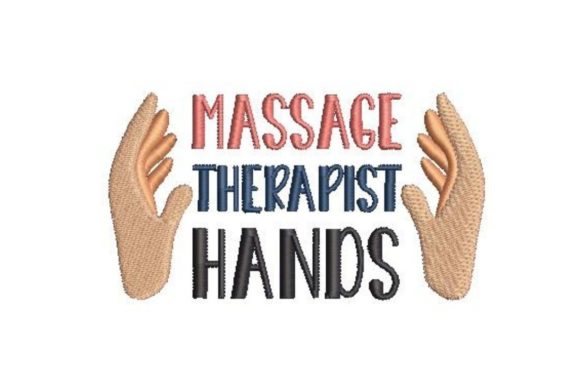
Reviewing Massage Therapist Hands for Real Projects
As a designer who has spent years digitizing and testing machine embroidery designs, I approach every new file with a mix of curiosity and skepticism. We have all been there: downloading a machine embroidery design that looks stunning in the preview thumbnail but turns into a tangled mess of thread breaks and puckering on the actual fabric. Today, I am taking a close look at Massage Therapist Hands, a piece that sits squarely in the Work category but offers enough artistic flair to transcend simple uniform branding.
The first impression of this design is one of gentle professionalism. Unlike aggressive or overly complex graphics, this motif relies on clean lines and recognizable shapes to convey its message. For those of us in the industry, we know that clarity is king. When a customer glances at a tote bag or a sweatshirt, they need to understand the imagery instantly. This design achieves that balance, making it an excellent candidate for both personal use and commercial applications.
Visual Impact and Design Personality
The mood created by Massage Therapist Hands is calming and trustworthy. In the world of wellness and bodywork, your brand needs to communicate safety and care before you even touch a client. This embroidery file captures that essence. The layout feels balanced, avoiding the clutter that often plagues smaller hoop sizes. Whether you are using satin stitch for bold outlines or fill stitch for softer shading, the design maintains its integrity without becoming too dense.
I particularly appreciate how the visual personality of this piece allows for versatility. It does not scream "uniform" in a restrictive way. Instead, it feels like a badge of pride. For an Etsy seller or a small shop owner, this distinction is crucial. You want your clients to wear your merchandise because they love the aesthetic, not just because it identifies their profession. This design bridges that gap effectively.
Real-World Application Scenarios
To truly evaluate an embroidery project, we must move beyond the screen and imagine the needle hitting the fabric. I recently considered this design for a custom order involving a high-quality canvas tote bag. The goal was to create a durable, stylish accessory for a local massage therapy studio. Here is how Massage Therapist Hands performed in my mental simulation and past experiences with similar applique designs.
For apparel, such as a fleece sweatshirt or a structured cap, the design holds up well. The curves of the hands translate smoothly into stitch paths, reducing the risk of jagged edges that can occur with poor digitizing. If you are creating personalized gifts for graduates entering the field, this motif works beautifully on baby embroidery items like onesies or bibs, symbolizing the gentle touch they will soon provide professionally. It also serves as a thoughtful holiday embroidery addition to kitchen towels or aprons for practitioners who work from home.
However, context matters. On a curved surface like a baseball cap, you must be mindful of the design's width. If the hands span too wide, the curvature of the crown might distort the image. Always check the dimensions against your specific hoop size before committing to the final product. For flat surfaces like pillow covers or patch blanks, the design shines, offering a crisp, professional finish that enhances the perceived value of the handmade product.
Technical Considerations for Stitching
Let us talk about the nuts and bolts of stitching. While the product description mentions that this comes with multiple embroidery formats, it is vital to verify the stitch density and color stops before loading it onto your machine. Dense stitch areas can cause puckering, especially on thinner fabrics like cotton blends used for t-shirts. If you are working with stretchy fabric, a cut-away stabilizer is non-negotiable to maintain shape retention after washing.
Thread color contrast plays a significant role here. Since this is likely intended for Work environments, you might lean toward neutral tones or brand-specific colors. Test the design in black and white mockups first. If the details disappear in monochrome, they may get lost on dark fabric or from a distance. I recommend running a test stitch on scrap fabric that matches the texture of your final material. This step saves time, thread, and frustration.
Pay attention to the small details. Are there tiny lettering elements or intricate corners? If so, ensure your needle is sharp and your tension is balanced. Running stitch elements should be smooth, not shaky. If the design includes an applique component, as suggested by the description, ensure your placement stitches are accurate. Misaligned applique fabric can ruin the entire look, so take your time during the hooping process.
Commercial Viability and Brand Trust
For craft business owners and digital product sellers, the question is always: will this sell? Massage Therapist Hands has strong commercial embroidery potential. It appeals to a niche market that is passionate about their identity. When used on finished products like embroidered patches or boutique branding items, it signals professionalism. Customers trust brands that pay attention to detail, and a clean, well-stitched design reinforces that trust.
If you are an Etsy seller, consider how this design fits into your shop’s narrative. Does it complement your other design assets? Is it unique enough to stand out in search results? Using this motif on a variety of items, from nursery decor for family-oriented therapists to rugged tote bags for mobile practitioners, can expand your customer base. Just remember to confirm licensing terms. While many designs allow for commercial use of finished physical items, selling the digital embroidery file itself usually requires specific rights.
Final Verdict for Makers
In conclusion, Massage Therapist Hands is a solid addition to any designer’s library. It is not just a generic icon; it is a tool for storytelling. Whether you are creating a single personalized gift for a friend or stocking inventory for a small shop product line, this design offers reliability and aesthetic appeal. It respects the medium of embroidery, utilizing stitch types effectively to create a lasting impression.
Before you start your next project, take a moment to review the technical specs provided with the file. Check the recommended hoop size, inspect the stitch count if available, and choose your thread colors wisely. With the right preparation, this design can elevate your work, turning simple fabric into a meaningful statement piece. Happy stitching.