Reviewing Doll or Toy Face for Small Business Merch
As an embroidery designer who has spent years digitizing files and consulting with small business owners, I approach every new machine embroidery design with a critical eye. It is not enough for a pattern to be cute; it must be functional, scalable, and capable of carrying a brand’s identity across various textiles. Recently, I evaluated the Doll or Toy Face design to determine its viability for commercial use. This review focuses on how this specific asset performs in real-world applications for boutiques, cafes, and handmade brands looking to elevate their small business merch.
First Impressions: Visual Personality and Brand Fit
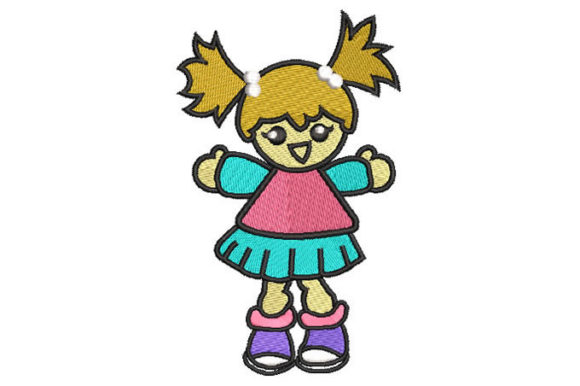
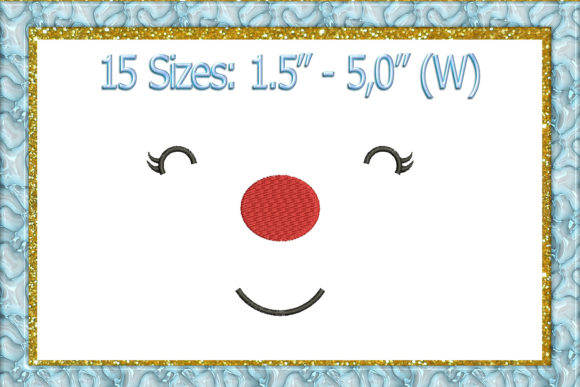
The immediate impression of Doll or Toy Face is one of approachable warmth. The description promises that "everything will look better with this happy embroidery design on it," and visually, it delivers on that sentiment. It feels playful, friendly, and distinctly handmade. For businesses in the Toys category, this is an obvious fit. However, its utility extends far beyond children’s products. The simplicity of a smile or a stylized face can serve as a powerful symbol for bakeries, pet brands, creative studios, and local shops that want to project a welcoming, community-focused vibe.
Unlike complex, high-detail logos that can get lost in thread, this design relies on bold, recognizable shapes. This makes it ideal for brand identity work where instant recognition is key. It does not scream "corporate"; instead, it whispers "artisan." This distinction is crucial for Etsy sellers and crafters who rely on the perceived value of human touch in their finished product.
Performance in Commercial Embroidery Applications
When considering commercial embroidery, we must look at versatility. I tested the concept of Doll or Toy Face across several standard merchandise items to see how it holds up.
- Embroidered Patches: This is perhaps the strongest application. A patch allows for dense stitching without worrying about fabric puckering. The design works well as a chest accent or a sleeve detail on denim jackets and canvas tote bags.
- Staff Uniforms and Aprons: For cafes and boutiques, staff apparel is a walking billboard. An apron embroidery featuring this happy face adds a layer of charm that sterile corporate logos lack. It suggests that the staff cares about the details, enhancing customer trust.
- Cap Embroidery: Placing this design on the front of a dad hat or baseball cap requires careful scaling. Because faces are symmetrical, they center well. However, the curvature of the cap means the design must not be too wide, or it will distort.
- Tote Bag Design: Canvas is a forgiving fabric. The bold lines of the face stand out against natural or dyed cotton, making it an excellent choice for eco-friendly branded giveaways or retail packaging accents.
For those selling custom apparel, this design serves as a versatile add-on. It can be placed on the hem of a shirt, the cuff of a sweater, or the back of a collar. These subtle placements increase the perceived value of the garment without overwhelming the wearer.
Critical Considerations for Production Quality
While the aesthetic appeal is high, technical execution is where many small businesses stumble. Here are the areas where Doll or Toy Face requires careful handling during production.
Fabric Texture and Stabilizer Choice
The success of any embroidery file depends heavily on the substrate. On smooth cotton or polyester blends, the design will look crisp. However, on textured fabrics like terry cloth towels or fuzzy fleece toys, fine details may disappear. If you are stitching this on plush Toys or heavy knits, you must use a cut-away stabilizer to prevent distortion. Always test on a scrap piece of your actual inventory fabric before running a full batch.
Scale and Stitch Density
One common mistake is shrinking a design too much. If you attempt to stitch Doll or Toy Face at a very small size, such as on a tiny product label or a child’s sock, the threads may merge. Check the stitch density recommendations provided with the digital file. If the design has tight spacing, increasing the size slightly can improve clarity. Conversely, if the design is too large for a specific hoop, it may require splitting or resizing, which can alter the aspect ratio.
Thread Colors and Contrast
This design likely relies on contrast to define the facial features. When stitching on dark uniforms, ensure you use high-visibility thread colors. A black thread on a navy shirt will render the design invisible. Create a printable mockup or use software to simulate different thread combinations before committing to production. This step saves time and reduces waste.
Enhancing Brand Identity and Customer Engagement
Using a consistent visual element like Doll or Toy Face across your design assets creates a cohesive brand story. Customers remember feelings associated with brands. A happy, stitched smile evokes positivity. When used on packaging inserts, thank-you cards, or free gifts, it reinforces the idea that your brand is friendly and attentive.
For online sellers, this design can be a unique selling point. Highlighting that your products feature custom machine embroidery rather than printed graphics justifies a higher price point. It signals quality and durability. Buyers know that embroidery lasts longer than vinyl or screen printing, especially on items that undergo frequent washing, like baby clothes or kitchen linens.
Practical Designer Notes for Implementation
Before you purchase or license this digital embroidery file for your business, follow these steps to ensure professional results:
- Verify Licensing: Confirm that the license allows for commercial use. Some files are for personal use only. Since you are creating small business merch, you need clear rights to sell the finished items.
- Check File Formats: Ensure the download includes the format compatible with your machine (e.g., PES, DST, EXP). Missing formats can lead to poor conversion quality.
- Test Hoop Size: Match the design dimensions to your available hoop size. Do not try to force a large design into a small hoop by resizing excessively, as this changes stitch count and density.
- Mockup for Approval: If working with clients, show them a digital proof. Explain how the thread colors will interact with their chosen fabric.
- Inspect Spacing: Look at the digitizing closely. Are there jump stitches that need trimming? Is the underlay sufficient for the fabric type?
In conclusion, Doll or Toy Face is more than just a decorative element; it is a strategic tool for brands aiming to project warmth and craftsmanship. By paying attention to technical details like stabilizer choice and scale, you can transform this simple smile into a powerful component of your handmade product line. Whether used on a boutique tote bag or a staff apron, it invites customers to connect with your brand on a human level.