Mini Embroidery Review: Retro Charm for Boutique Apparel
As an embroidery designer who spends countless hours digitizing and testing designs for boutique clients, I am always on the lookout for digital assets that bridge the gap between playful aesthetics and professional execution. Recently, I explored a new addition to the Family category on Creative Fabrica: a machine embroidery design simply titled Mini. The product description promises a colorful, retro-looking touch perfect for sewing projects, and as someone who curates collections for small clothing brands, I wanted to see if this digital embroidery file lives up to the hype for real-world apparel applications.
First Impressions: Visual Personality and Stitch Mood
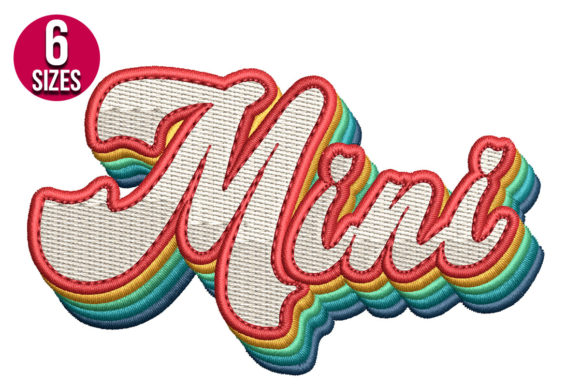
When I first loaded the preview of Mini, the immediate impression was one of nostalgic warmth. The design does not attempt to be overly complex or hyper-realistic; instead, it leans into a bold, graphic style that reads well from a distance. For boutique apparel, this is crucial. Customers scrolling through an Etsy shop or walking past a market stall need to recognize the design instantly. The retro vibe suggests a connection to vintage streetwear, making it an excellent candidate for current trends that favor Y2K-inspired or 70s-style typography.
The color palette implied by the preview is vibrant, suggesting that this design thrives on contrast. It feels less like a subtle, minimal accent and more like a statement piece. For designers looking to add personality to neutral garments, Mini offers a decorative strength that can elevate a basic item into a handmade product with perceived higher value. It strikes a balance between cute and bold, avoiding the trap of looking childish while maintaining a playful energy that appeals to a wide demographic.
Applying Mini to Sweatshirts and Hoodies
The primary use case I considered for this design was sweatshirt embroidery. Fleece and French terry fabrics provide a substantial canvas that supports the stitch density required for colorful, retro lettering. When planning a collection, I envision placing Mini on the left chest of oversized hoodies. This placement is classic for boutique brands because it allows the garment’s cut to remain the focal point while the embroidery adds a touch of custom branding.
However, the versatility of this embroidery file extends beyond the chest. I experimented mentally with sleeve accents. A smaller scale version of Mini could work beautifully on the cuff of a sweatshirt sleeve, adding a surprise detail that customers love to discover. For darker apparel, such as charcoal or navy hoodies, the colorful nature of the design would pop dramatically, provided the thread colors are chosen with high contrast in mind. On pastel hoodies, the same design would offer a softer, more cohesive look, ideal for spring collections.
Considerations for Stretchy and Textured Fabrics
Working with fleece and ribbed fabric requires careful attention to stabilizer choice. Because Mini appears to have a solid, filled appearance, it may have a moderate to high stitch count. Before running a production batch, it is essential to test on scrap fabric similar to your final garment. I recommend using a cut-away stabilizer for stretchy sweatshirt materials to prevent puckering around the letters. If the design is placed on a curved surface, such as the shoulder or a fitted sleeve, hooping technique becomes critical to ensure the text does not distort during stitching.
Expanding Beyond Apparel: Totes and Denim
While sweatshirts are a natural fit, this design shines on other mediums common in small shop products. Denim jackets, for instance, provide a sturdy background that handles dense stitching exceptionally well. The retro aesthetic of Mini complements the rugged texture of denim, creating a harmonious blend of vintage vibes. Here, the thread colors should be selected to either complement the indigo dye or stand out sharply against it, depending on the desired brand identity.
Tote bags are another excellent avenue for this machine embroidery design. Canvas totes are popular among eco-conscious consumers, and adding a colorful, retro wordmark transforms a generic bag into a fashionable accessory. The durability of embroidery ensures that the design withstands daily use, enhancing buyer trust in the quality of your finished product. When photographing these items for social media graphics or Etsy listings, the texture of the stitches on canvas provides visual interest that flat prints cannot match.
Brand Identity and Commercial Value
For creative entrepreneurs and Etsy sellers, consistency is key to building a recognizable boutique brand. Using a cohesive set of designs like those found in the Family category helps maintain visual consistency across different product lines. Mini can serve as a signature element, appearing on everything from cozy seasonal outfits to everyday t-shirts. This repetition builds product recognition, making your shop memorable to returning customers.
From a commercial perspective, embroidered items often command a higher price point than printed counterparts. The tactile quality of the stitches conveys craftsmanship and effort, which justifies a premium price. When you use a well-executed commercial embroidery design, you are not just selling a garment; you are selling an experience of quality. This enhances customer engagement, as buyers are more likely to share photos of textured, detailed items on social media, providing free marketing for your small business.
Practical Designer Notes for Production
Before integrating Mini into your next collection, there are several technical steps every professional should take. First, always confirm the specific file formats and hoop size compatibility provided in the download. While the description mentions it is a machine embroidery design, details regarding exact dimensions and stitch count are not explicitly listed in the brief summary. Therefore, it is vital to check the full product details on Creative Fabrica to ensure it fits your available hoops and machine capabilities.
- Test on Scrap Fabric: Always run a test stitch on the actual fabric weight you intend to use. This reveals any tension issues or puckering before you risk expensive garment stock.
- Check Stabilizer Choice: Match your stabilizer to the fabric texture. Heavy fleece needs strong support, while lightweight t-shirts may require a tear-away or light cut-away to maintain drape.
- Review Thread Color Contrast: Use a color chart to select threads that stand out against your garment color. For retro looks, consider using variegated threads to enhance the vintage feel.
- Inspect Stitch Density: If the design feels too dense for your fabric, consider adjusting the pull compensation or underlay settings in your editing software if you have the skills, or choose a lighter fabric weight.
- Verify Licensing: Ensure you understand the licensing terms for selling finished apparel. Most Creative Fabrica designs allow for physical sales, but confirming this protects your business legally.
In conclusion, Mini offers a charming, retro-infused option for designers looking to inject personality into their apparel lines. Whether used for a bold chest emblem on a hoodie or a subtle accent on a tote, its visual appeal supports the creation of high-quality, marketable goods. By paying attention to technical details like stabilizer choice and fabric compatibility, you can leverage this design to create standout pieces that resonate with customers seeking unique, handcrafted style.