First Communion Cup and Ostia Design Review
As I set up my booth for the upcoming weekend craft fair, the table is already taking shape. Tote bags hang from the rack, aprons are folded neatly beside stacks of tea towels, and small fabric pouches catch the light. In this competitive handmade market, every machine embroidery design needs to earn its place on the table. Today, I am reviewing the First Communion Cup and Ostia design to see if it has what it takes to become a top-selling craft fair product. This specific Embroidery piece falls squarely into the Religion category, but does it translate well into a profitable handmade product? Let's break down how this design performs in the real world.
First Impressions: Elegance Meets Tradition
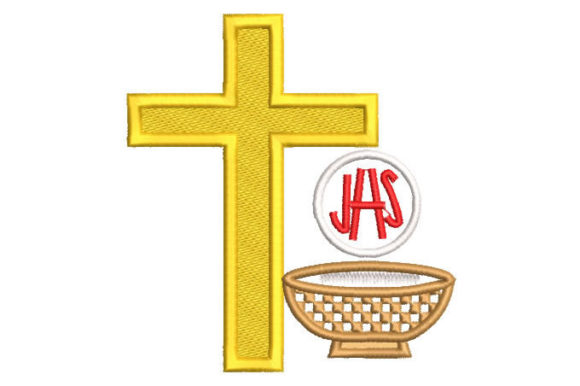
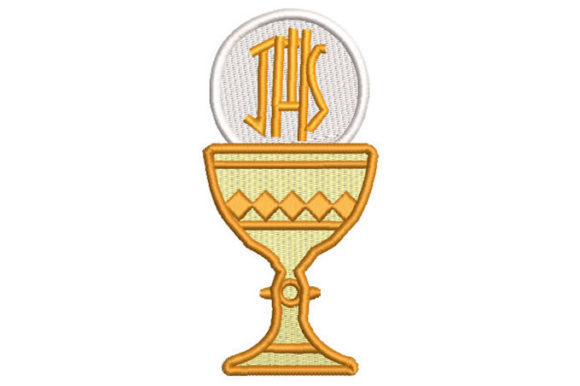
When I first opened the digital embroidery file, the visual impact was immediate. The First Communion Cup and Ostia design feels both elegant and deeply traditional. It avoids being overly cartoonish or "cute" in a way that might limit its appeal to only young children. Instead, it carries a sense of reverence and celebration that appeals to parents and grandparents looking for meaningful gifts. The imagery suggests a premium feel, which is crucial when pricing items at a high-end boutique or a busy outdoor market. For an Etsy seller or a creative entrepreneur, this design offers a sophisticated aesthetic that stands out against more generic floral or script-based patterns often found in this niche.
The description promises that this design will look great on clothing or accessories, and after examining the layout, I agree. The composition is balanced, allowing it to function as either a focal point or a tasteful accent depending on the application. It feels festive without being chaotic, making it a strong candidate for a variety of finished product types.
Product Applications: Where Does It Shine?
In my experience, not every design works on every item. The First Communion Cup and Ostia design requires careful placement to maximize its selling potential. Here is how I plan to utilize it across my inventory:
- Tote Bag Design: A large-scale version of this design centered on a canvas tote bag creates a stunning statement piece. Parents love carrying these for church events, and the sturdy fabric holds the stitch density well.
- Apron Embroidery: Placing the design on the bib of a linen apron adds a touch of tradition to kitchen wear. It makes for a lovely gift for godmothers or family members hosting the reception.
- Tea Towel Embroidery: Kitchen textiles are a staple for craft fairs. This design looks particularly charming on a white or cream-colored towel, offering a subtle nod to faith in everyday home decor.
- Embroidered Patch: For those who want to add a custom touch to existing jackets or backpacks, converting this into a patch is a smart move. It allows customers to personalize their own items instantly.
- Caps and Pouches: Smaller applications work well here too. A cap with this design becomes a keepsake for the child, while a small fabric pouch can hold communion cards or favors.
I also plan to create several printable mockup images for my online shop to show potential buyers exactly how the First Communion Cup and Ostia design looks on different textures before they purchase.
Selling Points and Visual Appeal
What makes this design a winner for a small shop product? First, clarity. At a glance, a customer walking past my booth should understand the theme immediately. The symbols of the cup and ostia are universally recognized within the Religion community, eliminating confusion. Second, the design elevates the perceived value of the item. A plain cotton tote sells for ten dollars; the same tote with a professionally stitched, meaningful design can easily sell for twenty-five or thirty dollars.
This design strengthens booth display strength by adding a splash of color and texture. When paired with gold or silver thread accents, the thread colors pop against neutral fabrics, drawing the eye from across the aisle. For commercial embroidery businesses, the ability to produce this design consistently ensures that every unit looks identical, maintaining brand consistency and quality control.
Practical Production Notes and Challenges
While the design is beautiful, producing it successfully requires attention to detail. As an experienced designer, I always test new files on scrap fabric before committing to expensive materials. Here are the critical factors to consider when working with First Communion Cup and Ostia:
- Stitch Density and Texture: Be cautious with thick fabrics like heavy denim or textured towels. High stitch density areas might cause puckering if the wrong stabilizer is used. Always use a cut-away stabilizer for stretchy fabrics and a tear-away for stable ones.
- Hoop Size Verification: Before you start stitching, confirm the hoop size required. If your machine only accommodates a 4x4 hoop, you may need to split the design or resize it, which could alter the proportions of the cup and ostia.
- Small Details and Lettering: If the design includes text, ensure it remains legible at smaller sizes. Tiny details can get lost on dark fabric or curved surfaces like caps. I recommend testing on a sample first to check clarity.
- Fabric Contrast: The design relies on contrast to stand out. Avoid using similar thread colors on dark backgrounds unless you are using variegated threads specifically designed for visibility.
- Licensing Check: As a responsible maker, always confirm commercial licensing terms. Ensure the embroidery file you purchased allows you to sell the finished goods at craft fairs and online platforms.
Batch Production and Market Strategy
For a weekend market, time is money. The First Communion Cup and Ostia design is repeatable, making it ideal for batch production. I plan to stitch five variations in advance: one on a tote, one on an apron, two on tea towels, and one on a pillow cover. Having these ready-to-sell samples encourages impulse buys. Customers often buy what they can see and touch.
Furthermore, this design fits perfectly into the seasonal demand cycle. Leading up to spring and early summer, when most First Communions take place, this design asset becomes highly relevant. By having a dedicated section for religious-themed gifts, I can capture a specific segment of the market that is often underserved by generic crafters.
Final Verdict for Craft Entrepreneurs
The First Communion Cup and Ostia design is a strong addition to any portfolio focused on meaningful, faith-based gifts. It balances tradition with modern aesthetics, making it versatile for various products from tote bag designs to apron embroidery. While it requires careful attention to fabric choice and stabilizer usage to maintain quality, the potential return on investment is high. For the Etsy seller or the booth owner looking to differentiate their offerings, this design provides a clear path to creating high-value, emotionally resonant products. Remember to test, verify your settings, and present your work beautifully. With the right execution, this design will not just sit on the shelf; it will find a home in someone's heart.